



Baltic Touring Car Championship Ready for the 2026 Seasonl. Calendar for the Upcoming Season Published
With the publication of the calendar and several updates to the technical and sporting regulations, the Baltic Touring Car Championship is ready for the 2026 racing season, which will begin in early May in Riga at the Bikernieki Circuit.
The Baltic Touring Car Championship (BaTCC) has for several seasons united the national championships of Latvia, Lithuania, and Estonia under one banner, offering competitors from all three countries unified technical regulations, race formats, event organization, and increased competition on track. The 2026 season will be no exception, with several decisions aimed at budget-friendly solutions and making it easier to enter circuit racing, the premier discipline of motorsport.
Significant changes that may also attract competitors from other motorsport disciplines will affect the touring car BTC classes with engine capacities up to 2000 cc and 3000 cc. new classes, BTC2 Light and BTC3 Light, have been introduced for these engine sizes to reduce running and car-building costs. Modification rules are restricted: sequential gearboxes and racing brakes are prohibited, excessive weight reduction is unnecessary, and cars remain closer to standard specifications. Turbocharged engines are also permitted. Cars built to this specification may compete in both sprint races and two-hour endurance races. The existing BTC2 and BTC3 classes will remain in the championship without significant technical regulation changes. All classes will continue to use Nankang AR-1 tyres in various sizes.
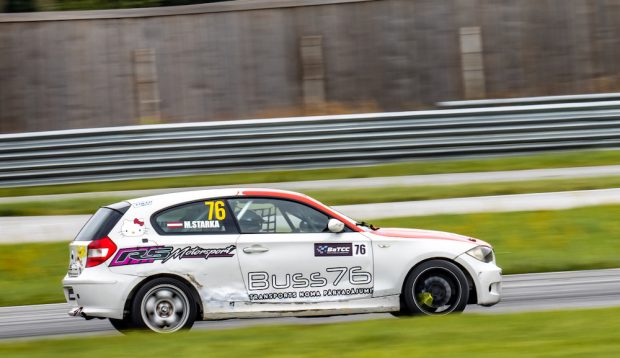
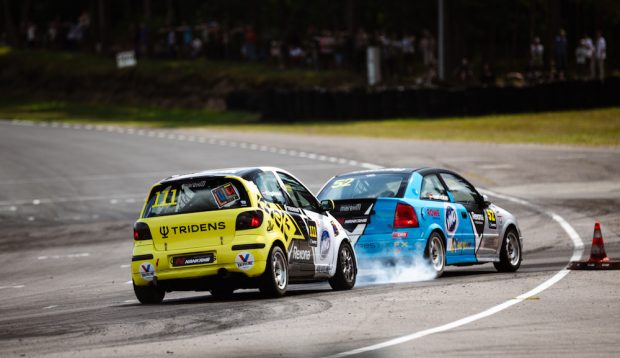
Growing interest has been seen in recent seasons in the budget-friendly V1600 class, where standard production cars with engine capacities up to 1600 cc compete. Performance is regulated by a power-to-weight coefficient, allowing the use of cars such as Toyota Yaris, Opel Astra, Mini Cooper, Ford Fiesta, Suzuki Swift, BMW 116, and many others. Cars are allowed to use sport shock absorbers, adjustable engine control units, and 15-inch Nankang AR-1 semi-slick tyres but otherwise remain close to standard road cars. A similar philosophy can be found in the Finnish circuit racing championship and the Lithuanian rally championship.
Another alternative for entering circuit racing is the Nankang two-hour Endurance academy, where drivers can compete solo or in pairs, sharing costs while experiencing teamwork and race strategy. To encourage greater participation in budget classes, GT-class cars are prohibited from endurance races, reducing overall speed and ensuring a safer and more enjoyable experience for drivers with less powerful cars. During a single race weekend, competitors can spend more than three hours on track during official sessions and cover over 300 km in race conditions. Classes allowed – V1600, BTC1, BTC2 and BTC2 Light, BTC3 and BTC3 light, BMW 325 CUP and BMW Turbo Cup, if no interest from participants in first rounds, some classes may be united in one.
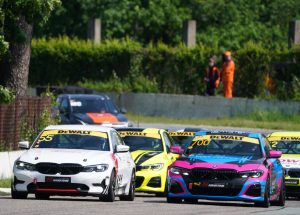
An upward trend continues in the BMW Turbo Cup, a class for modern BMW G20 330i models with strictly regulated technical specifications. While 5–7 cars competed per race last season, at least 10 cars are expected in each event in 2026, including 4–5 from Latvia and 5–7 from Lithuania. Over the past year, technical details have been refined, vehicle control improved, and it has been confirmed that this class fills a previously missing step in the BaTCC hierarchy.
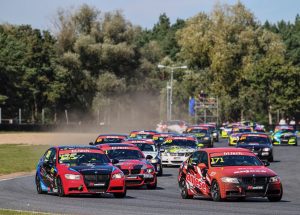
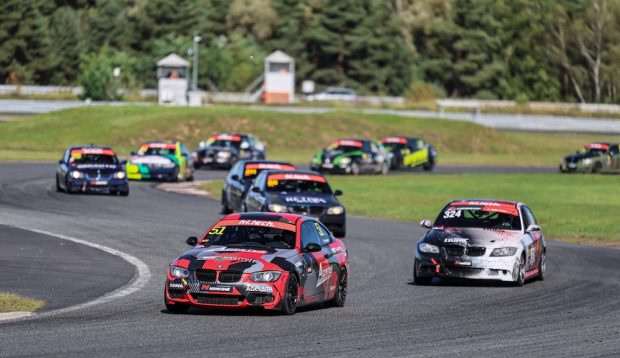
In the BMW 325 CUP, long considered the most competitive class not only in circuit racing but in Baltic motorsport overall, no changes to technical regulations are expected. Cars are evenly matched, weak components have been identified and improved to reduce technical failures and save costs. Last season’s Baltic and Latvian champion, Estonian Ragnar Simuland, will not compete in the upcoming season, continuing the class tradition: the champion leaves the throne vacant, giving everyone a chance to claim it. New competitors from all Baltic states and Poland, intense on-track battles, and exciting races will define the BMW 325 CUP in 2026.
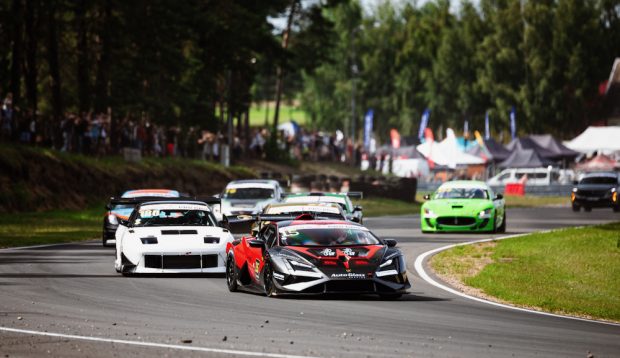
Changes will also affect the GT class, where spectators can watch exclusive, fast, and powerful factory-built and locally prepared race cars. Previously, GT cars competed in two sprint races; in 2026, a third race will be added — a 40-minute endurance race. This allows individual drivers to gain more track time and enables teams to include an additional driver during race weekends.